01Don't Overthink It
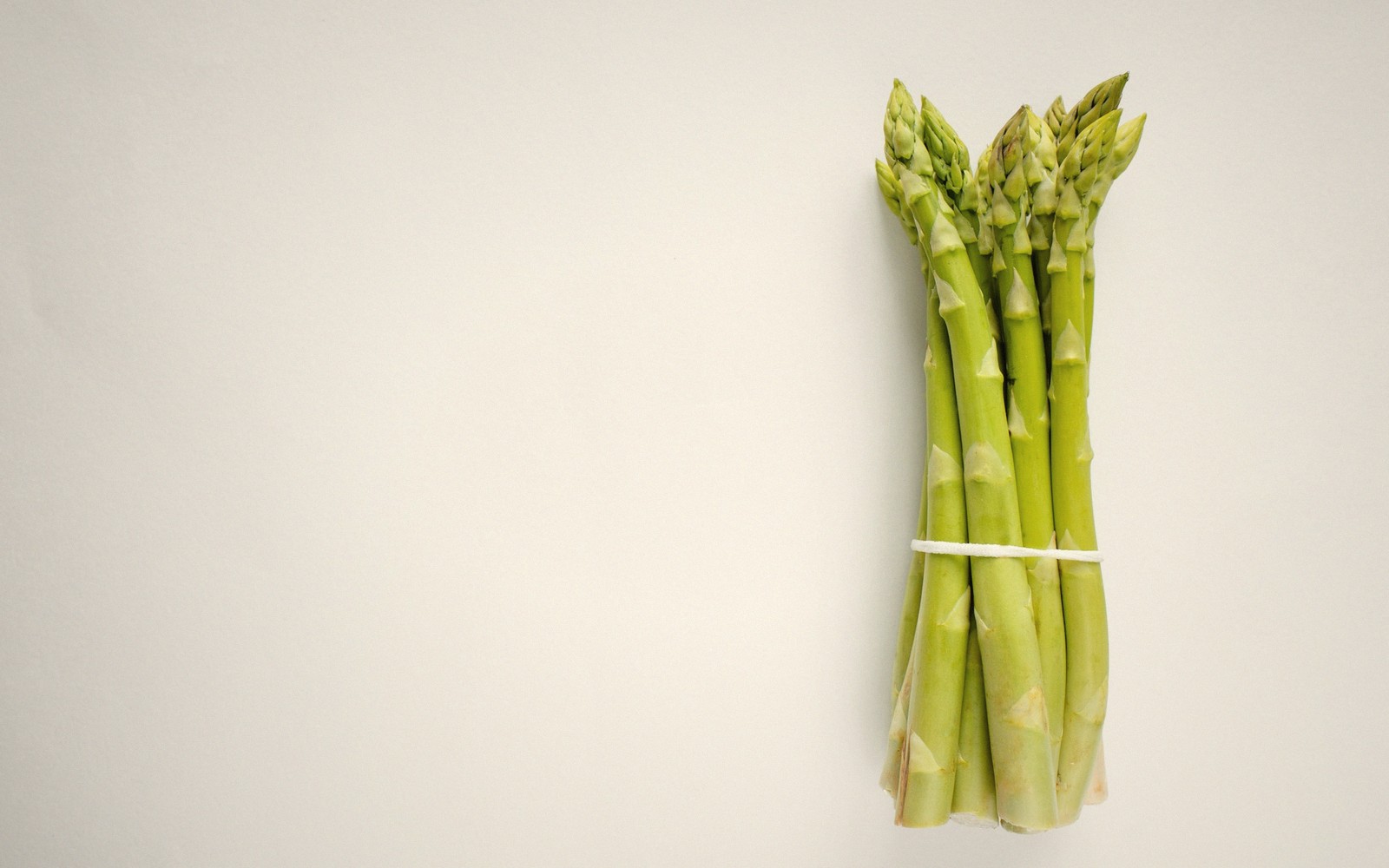
Asparagus arrives with a kind of urgency. One week the market stalls are still buried in roots and stored squash; the next, the first thin spears appear and the whole register shifts. The same goes for fresh peas and waxy new potatoes — they come together, they go quickly, and they want almost nothing done to them.
The move with asparagus is fast, high heat: a screaming-hot griddle or a dry cast-iron pan, spears tossed in a little oil, four or five minutes until they're charred in patches but still have snap. Anything longer and you lose the thing that makes them worth buying. The same logic applies to a wide pan of boiling, well-salted water — two minutes in, then out, still vivid green.
New potatoes are the one element that needs a little patience. Boil them whole in well-salted water until a knife slides through without resistance — usually fifteen to twenty minutes depending on size. Don't rush them; underdone waxy potatoes are dense and flavourless. Once cooked, halve them while still warm and dress immediately so they absorb the seasoning as they cool.
Fresh peas, shelled straight from the pod, barely need cooking at all — thirty seconds in boiling water, no more, or simply fold them raw into a warm dish and let residual heat do the work.
The dressing that ties all three together should be sharp and bright: a proper vinaigrette, a spoonful of Dijon, good olive oil, a little lemon. Tarragon, chervil or flat-leaf parsley all belong here. Eat the whole thing at room temperature — not fridge-cold, not piping hot — and season generously as you go, tasting at every stage.
This is one of those small windows in the cooking year where the best thing you can do is step back. The produce is doing the work. Your job is to not get in the way.
New potatoes are the one element that needs a little patience.