01The Window Is Short — Use It Well
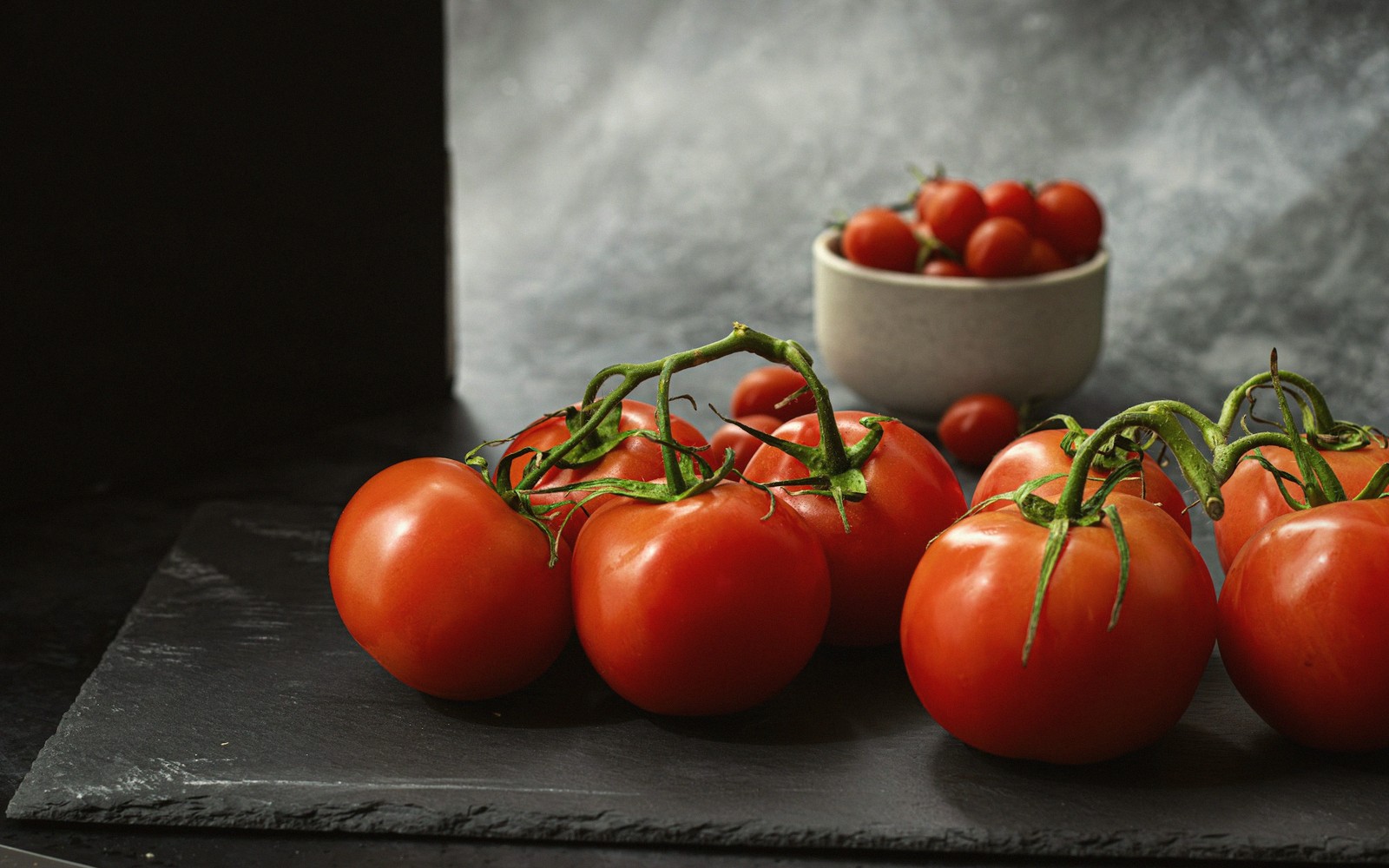
Supermarket tomatoes exist all year, and for most of the year they're not worth your time. The ones worth eating — genuinely worth eating, raw, over bread, straight off the vine — arrive in late summer and disappear fast. They're the ones that smell like tomato before you've even cut them, whose skins split a little when you press them, whose flesh is dense rather than watery. If you're at a farmers' market and a tomato feels almost too heavy for its size, that's the one.
The varieties available at that window are worth paying attention to. Marmande and Coeur de Boeuf (ox-heart) tomatoes are the thick-fleshed, low-seed types that collapse beautifully when cooked but are equally good raw. San Marzano is the famous plum tomato of Campania — thin skin, dense paste, very little water — and brilliant in a quick sauce. Cherry tomatoes — Sungold especially, the small orange ones — have a sweetness that borders on tropical when properly ripe, and hold their shape well in a hot pan. Use what's best at your market rather than chasing a specific name.
Now, the trick that changes how every tomato dish tastes: salt your tomatoes early. Slice or halve them, scatter with flaky salt, and let them sit for ten to twenty minutes before you do anything else. The salt draws out liquid, concentrates the flavour, and — crucially — it seasons them all the way through rather than just on the surface. That liquid that pools in the bowl is not waste. It's intensely flavoured tomato water, and it belongs in your dressing, your sauce, or poured over bread.
The varieties available at that window are worth paying attention to.
02How to Eat Them Raw
At peak season, the best thing to do with a ripe tomato is almost nothing. A panzanella — the Tuscan bread salad — exists precisely to answer this moment. Stale bread (sourdough or ciabatta, a day or two old) torn into chunks, tomatoes salted and left to weep, then everything combined with good olive oil, red wine vinegar and basil. The bread drinks up the tomato juices and the olive oil simultaneously and becomes something far greater than either ingredient alone. Add a sliced red onion if you like, some capers, maybe a few anchovies for salt and depth.
The Catalan pan con tomate is even simpler: toast or grill thick bread until it's properly charred at the edges, rub it while hot with a halved clove of garlic, then press a ripe tomato cut-side-down against it and rub that too until the flesh has smeared across the surface. Drizzle with oil, salt it, and that's dinner alongside anything cured or briny. The tomato doesn't sit on the bread — it becomes the bread.
For a composed salad with a bit more going on: thick slices of different varieties layered on a plate, salted and left to rest, then finished with torn basil, a soft cheese (ricotta salata, burrata, or good feta — all work differently but all work), and a dressing made from the pooled tomato water whisked with red wine vinegar and your best finishing olive oil. Don't refrigerate ripe tomatoes. Cold kills their flavour and turns the flesh mealy; room temperature is where they belong.
| Figure | What it's for |
|---|---|
| 10–20 minutes | time to salt tomatoes before using, to draw out liquid and season through |
| 1 kilo | tomatoes for the raw five-minute sauce (serves roughly 4) |
03The Five-Minute Sauce
When you have more tomatoes than you can eat fresh, make a raw sauce — not a cooked one. Roughly chop a kilo of ripe tomatoes, salt them, and leave them in a colander over a bowl for twenty minutes. Meanwhile, cook pasta. Combine the drained tomatoes with torn basil, crushed garlic, and enough olive oil to make it glossy. Toss the hot pasta through it immediately. The heat of the pasta warms the sauce without cooking it, and the flavour stays bright and direct in a way that no tinned tomato or long-simmered version can replicate.
If you do want a cooked sauce — because you're looking to concentrate rather than brighten — it doesn't need to be complicated. Halve a tray of cherry tomatoes, roast them at high heat with garlic, a splash of oil, and a pinch of dried chilli until they blister and collapse. The sugars caramelise at the edges. From there you can blend it smooth, leave it rough, or use it as a base to finish with butter and pasta water into something that eats like it took much longer.
The window where tomatoes taste like this is genuinely a few weeks. Cook them the simple ways. The rest of the year, the tin earns its place — but right now, the fresh ones don't need your help, just your timing.