01A pot that pays back
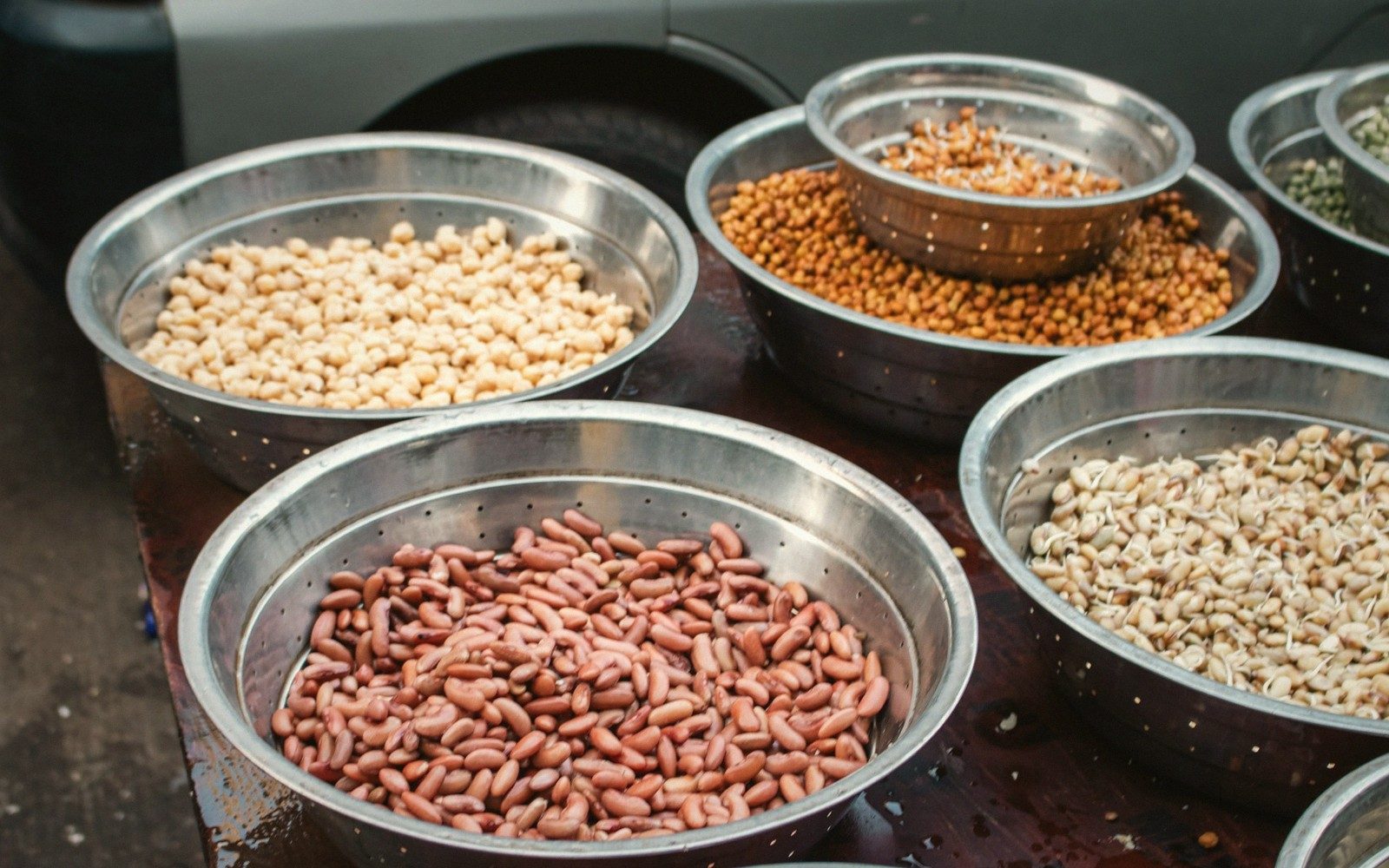
Dried beans cost a fraction of the tinned alternative and, cooked right, have a texture tinned beans simply can't match — creamy through the centre, holding their shape, skins intact. The only thing they ask for is time, and most of that time you're doing something else entirely.
No soaking is strictly required, though an overnight soak in cold water speeds things up and produces slightly more even results. Either way, drain them if soaked, cover with fresh cold water by a generous margin, and bring gently to a simmer. Add nothing acidic — no tomatoes, no vinegar — until the beans are fully tender; acid toughens the skins early. A halved onion, a few garlic cloves and a bay leaf dropped into the pot are all the seasoning the water needs to start. Salt goes in for the last twenty minutes of cooking, which keeps skins soft.
Cooking time varies by variety and age. Borlotti and cannellini tend to take around ninety minutes; chickpeas often need two hours or more. Lentils need no soaking and cook in thirty. Taste as you go — the bean tells you when it's done.
Now, about the liquid. Don't tip it away. Bean cooking liquor — starchy, savoury, lightly thickened — is one of the most useful things in the kitchen. Use it to loosen a braise, to add body to a weeknight curry, or to thin a soup without watering it down. It keeps in the fridge alongside the beans for up to five days, or freeze it in portions.
The beans themselves are even more accommodating. Fold them into braised greens with olive oil and a squeeze of lemon. Mash roughly and spread onto toast with good oil. Simmer them back into their own liquor with some smoked paprika until the whole thing is thick and almost porridge-like. A pot cooked on Sunday becomes dinner several times over — not because you planned meticulously, but because cooked beans are always ready to become something.
Add nothing acidic — no tomatoes, no vinegar — until the beans are fully tender; acid toughens the skins early.